Breaks and meal periods: what your schedule should show
The expensive break problem is not the one you never got. It is the meal you worked through being subtracted from your time card automatically.
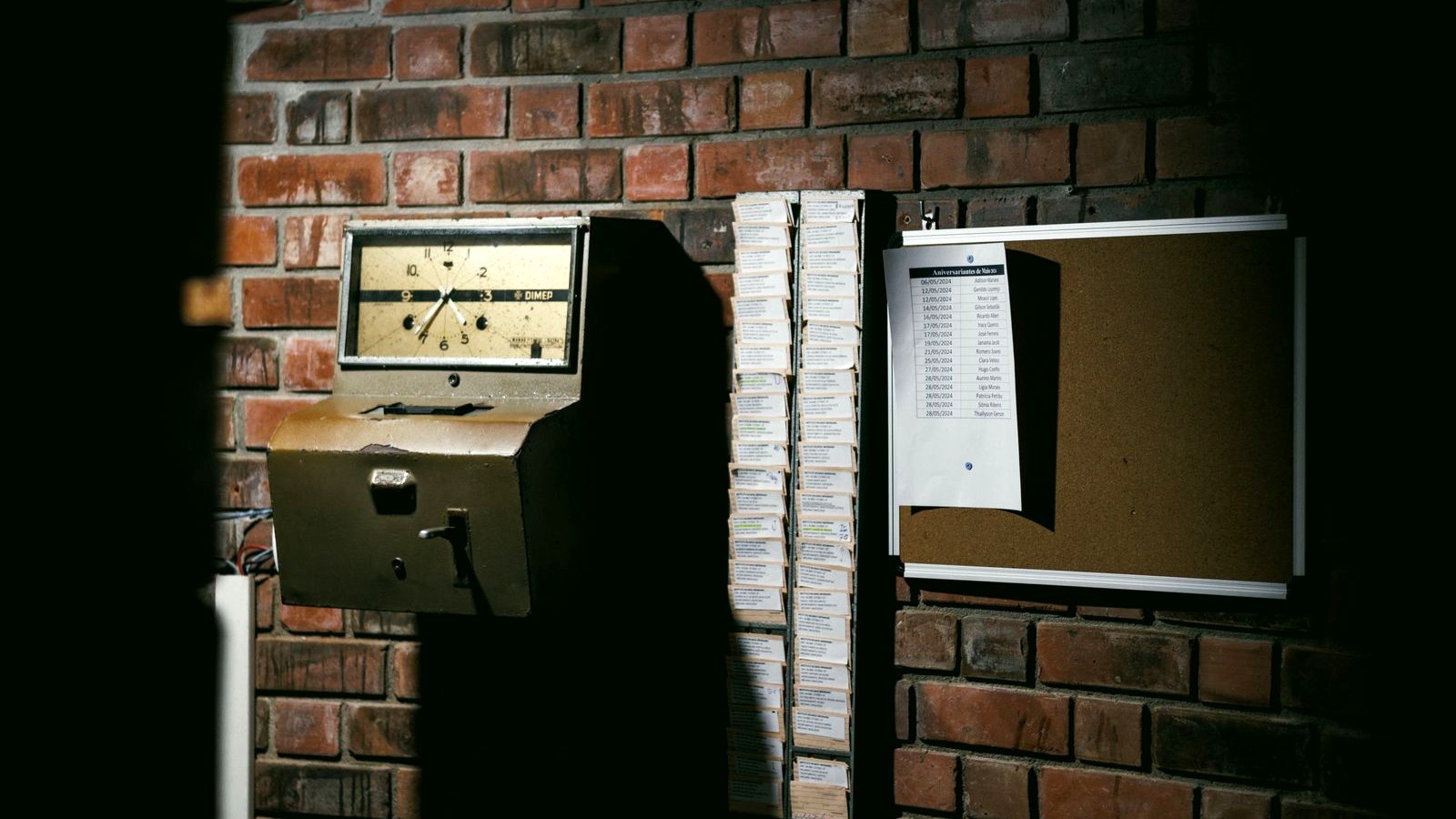
The break question everyone asks is whether they are entitled to one. It is the wrong first question: the answer varies so much by state that it tells you nothing until you look yours up.
The question that costs real money is different: is a meal period being subtracted from your hours on days you did not take one. Automatic meal deduction is ordinary and legal in many settings, and it is the most common quiet source of unpaid time in hourly work. It fails silently, in the employer's favor, while net pay looks normal.
Paid rest and unpaid meal are two different things
A rest break is short, and where rules require one it is normally counted as work time and paid. A meal period is longer, and where it is unpaid you are supposed to be fully relieved of duty for the whole of it. Relieved means you may leave the work area: not covering a phone, not watching a register, not expected to break off and help.
Trigger points, lengths and what happens when a meal is missed are state law. Some states require meal and rest periods and enforce them actively; others require nothing for adult workers beyond federal rules about when time must be paid. Look up your state first.
The automatic deduction, and why it goes wrong
Many timekeeping systems remove a fixed block from any shift over a set length, whether or not you punched out. The system assumes the meal happened.
It goes wrong in a few repeatable ways, and these are what you look for in the records.
- You worked through the meal to cover a call-out and nobody changed the record.
- You took a short meal because the floor got busy, and the full block came out anyway.
- You punched out and back in, and the deduction came out on top of the punches, taking the time twice.
- The deduction applied to a shift too short to trigger it, because the rule was set wrong for your department.
- You stayed late for a handover, and the deduction absorbed it so the day still totals a clean number.
On-duty meals and interrupted breaks
An on-duty meal is one you eat at the post because the job cannot be left: a single-coverage overnight, a one-person desk, a route with no relief. Whether it is permitted, whether it must be paid and whether it needs a written agreement are state questions with different answers.
Interruption is the more common version: you sit down, get called, go, and the record still shows a meal period.
Many systems ask an attestation at clock-out: did you take your full uninterrupted meal, yes or no. Answer truthfully every time. It is a dated record you did not have to create, and a pattern of honest no answers beats a recollection months later.
Ask for punch detail, not the summary
Request punch-level time detail for a pay period, in writing. The summary shows total hours, the number after any deduction. The detail shows what was subtracted and when.
How to check whether the deduction is taking real work time
Do this once for one pay period, about twenty minutes. Pick one you remember clearly.
- Write your own version first. Before looking at anything, list each day you worked with start time, end time, and whether you actually left the floor for a meal. Guessing after seeing the record is worthless.
- Request the punch detail in writing. One sentence to payroll naming the pay period and asking for punch-level detail including any automatic deductions. Keep the reply.
- Line up the days. Note what each day's record shows: a meal punch out and in, an automatic deduction line, both, or neither.
- Do the arithmetic per day. End minus start minus any deduction, against your own note for that day.
- Look for the signature days. A deduction on a day you covered an absence. A deduction on a shift shorter than the trigger. Meal punches and a deduction on the same day, which is the double subtraction.
- Check the stub against the record. Total the paid hours on the time detail and compare to the hours line on the stub. If they differ, one of the two systems is wrong and payroll needs to say which.
- Put the gaps in writing. Name the dates, what the record shows, what you say happened, and ask which period a correction appears in. Specific days get fixed; a general complaint gets a conversation.
What a clean time record looks like
Every punch with a timestamp. Any automatic deduction as its own labeled line rather than folded into the total. Supervisor edits shown as edits, with who made them and when. Daily and weekly totals you can add up yourself. If your system shows only a weekly total, you cannot audit it, and asking for detail is reasonable, not an accusation.
A summary screen cannot show you a deduction. That is the entire reason people go years without noticing one.
Where the rules actually live
Meal and rest rules are state law and the variation is not minor. Trigger hours, lengths, penalties for a missed period, separate rules for minors, industry-specific orders: all of it changes at the state line, and some cities and sectors add more.
Your state labor department publishes those rules and is where wage complaints go. Under a union contract, the contract may set stricter terms and your representative is the faster route. If you are weighing action about unpaid time, talk to an employment attorney first and bring the punch detail.
General information about work in the United States, not legal, tax, immigration, medical or financial advice. Pay, hours, leave and licensing rules differ by state, by city and by contract, and change over time. Check anything here against your own documents and, for anything you would act on, take advice from a qualified professional in your state. Get in touch with any questions about this post.