Running two apps at once without losing money on either
A second app does not double your offers. It doubles your decisions, and the money is made in the dead time, not while you are carrying someone's order.
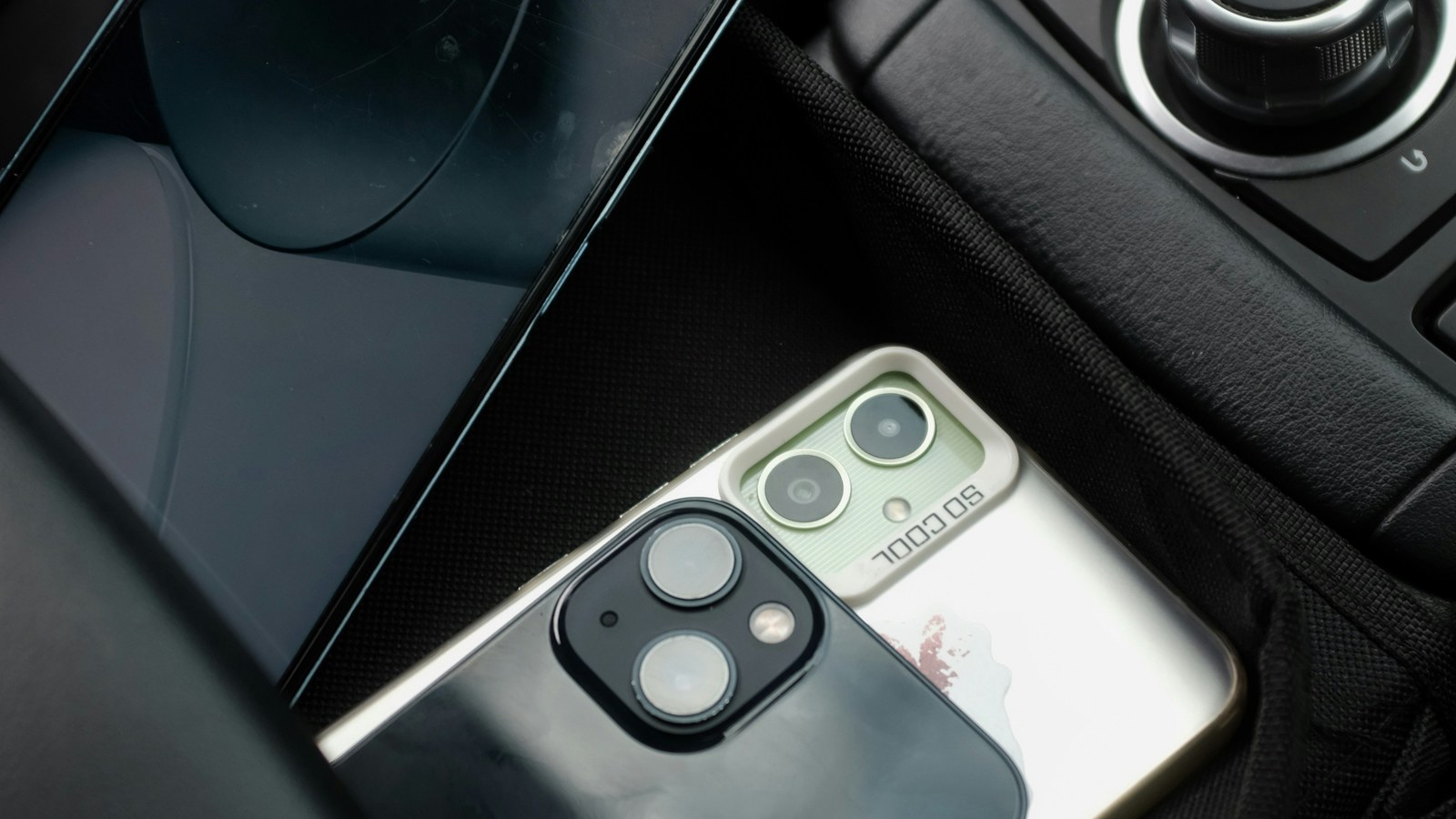
Running a second app does not double your offers. It doubles your decisions, and decisions made in four seconds at a red light are where earnings quietly leak away. The two apps do not compete on equal terms, either: one is holding an order with a promised delivery window, and the other is not.
That is the part most advice skips. A second app earns its place during the 20 minutes you sit in a lot with nothing coming in. It is worth little, and often costs money, during the 18 minutes you are carrying somebody's food.
Where the second app actually pays
Dead time is the only place multi-apping produces reliable money: parked, online, nothing arriving. A second app open in that window costs nothing and sometimes fills it. The same holds while you wait on an order that is not ready, or sit out the slow hour between lunch and dinner.
What does not work is treating the second app as overlap. With two live orders in your car you are not earning twice. You are running one delivery late so the other can be early, and the platform sees only the late one.
The stacking mistake that turns two orders into two problems
Here is the sequence that costs money. You accept an offer on the first app. On the way to the pickup, the second app pings with something in roughly the same direction, and you take it because it looks close.
It is not close. The second pickup is not ready when you arrive, the first order is going cold in the bag, and the two drop-offs turn out to be 14 minutes apart in traffic. Both customers are watching a map, and one is watching it go the wrong way.
Your own agreement is the only rule that counts
Platforms take different positions, and those positions change. Some are silent. Some address it directly. Some set standards on handling and timing that a stacked order runs straight into.
Do not take a general rule from a forum, a video, or an article, including this one, as what your platform permits. Open the agreement you accepted, search it for exclusivity, concurrent work, order handling and timeliness, and read those sections.
If the terms are ambiguous, ask support in writing and keep the reply. A written answer beats a confident opinion from somebody who drives in another market.
The setup, done before you leave the driveway
The physical setup separates a manageable second app from a hazard. Do it once.
- Two mounts, both in your eyeline, neither blocking your view or an airbag path.
- Both phones charging, a cable for each. A dead phone mid-order is the expensive problem.
- Different notification sounds for each app, so you can tell them apart without looking.
- Everything else muted: messages, social, email, all of it.
- One app designated primary for the hour, decided before the shift.
- Bag, cooler and anything you sign for within reach of the driver's seat.
- A parking spot picked in advance, legal, where you can sit out the slow stretch.
Priority is set before the shift, not at the light
Decide which app is primary for each block of hours before you start: one for lunch, one for evenings, whatever your market does. Choosing in the moment, with an offer timer counting down, is how the stack happens.
When two apps reliably cost more than they earn
Some conditions make the second app a loser however disciplined you are.
Shop-and-deliver orders, where you are in a store for 20 minutes and cannot answer anything. Catering orders with multiple bags and a fixed time. Long drops out of your zone. Bad weather, which stretches every estimate. Unfamiliar areas where you need the map, not muscle memory.
And the plain one: any hour when you are tired enough that a second screen is a driving risk. That cost never shows on an earnings screen.
The rule for accepting a second offer, written out
Accept an offer from the second app only when all of these are true.
- You are not currently holding any customer's order in your vehicle.
- You have no accepted pickup on the other app, or that pickup is confirmed ready and under five minutes away.
- The new pickup is in the direction you are already headed, not just nearby on the map.
- You can picture the drop-off well enough to estimate the time without opening the map.
- Taking it does not require you to hurry the order you already have.
If one is false, decline and stay with the app you are committed to. If you take it anyway and it goes wrong, message the customer early and plainly, and tell [support] in writing the same day rather than letting a rating tell the story.
Two apps do not get you paid twice. They get you paid slightly more often, and only if you are strict about what you never accept.
Read your own terms before the next shift
None of this states what any particular platform allows. Terms differ by platform, by market and by the version you accepted, and they get revised without much ceremony.
Before your next shift, spend 15 minutes with your own agreement and the standards it links to. Note what it says about working for others during an active order, and about timeliness. If the wording affects your income and you cannot tell what it means, that is a question for an attorney who handles independent contractor work in your state, not a comment thread.
General information about work in the United States, not legal, tax, immigration, medical or financial advice. Pay, hours, leave and licensing rules differ by state, by city and by contract, and change over time. Check anything here against your own documents and, for anything you would act on, take advice from a qualified professional in your state. Get in touch with any questions about this post.