Hotel work: how housekeeping, front desk and banquets pay differently
One building, one badge, three pay structures. Moving between departments inside a hotel can change your earnings more than moving to another property.
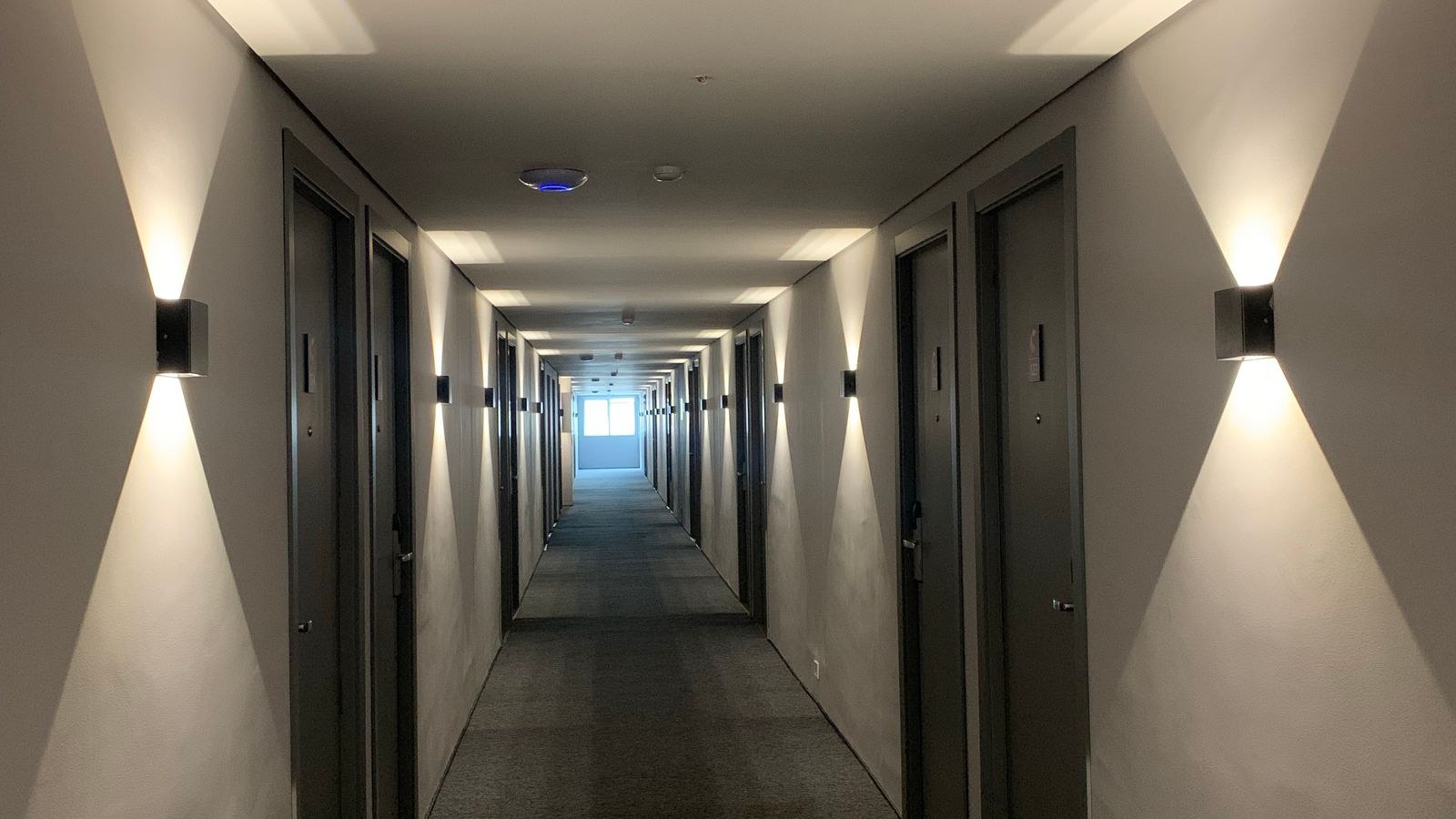
A hotel looks like one employer: one badge, one time clock, one HR office past the loading dock. Underneath it run three pay structures, and which one you stand in matters more than the brand on the sign.
The other thing outsiders miss: almost nobody here controls their own hours. A forecast written Tuesday decides how many housekeepers are called Thursday and whether a desk shift is cut.
Housekeeping: the quota is the job
You get a board in the morning with a room count. Checkouts take longer than stayovers, so a board of checkouts is a harder day than the same count of occupied rooms, and a house attendant who keeps your linen stocked beats a good boss.
Inspections are part of the structure: a supervisor checks some of your rooms, and what they find is the record that follows you.
Front desk: it sounds salaried, it is hourly
Three shifts, genuinely different jobs. Morning is checkouts, folios and complaints about last night. Afternoon is arrivals and every problem a guest saved up. Overnight is night audit: closing the books, running reports, the only person awake in a building full of strangers.
Night audit carries a differential and is the fastest way to more money at the desk without a title. It also reorganizes your sleep.
Banquets: the biggest swings under one roof
Banquet servers and housemen work off an event order, so the schedule follows weddings and conferences, not a weekly pattern. Most properties keep an on-call list, and your place on it is set by seniority, reliability or a captain's preference. The service charge on the contract is not a tip, and how it is split is the thing to ask about.
What the national figures say about the three
The department that sounds most like an office job is priced like the opposite. The 2025 median for hotel, motel and resort desk clerks was $35,070 a year, against $45,430, or $21.84 an hour, for information clerks overall, per the BLS Occupational Outlook Handbook. The desk sits near the bottom of that family, better than ten thousand below its middle.
The food side runs lower again. Food and beverage serving workers had a 2025 median of $31,710, or $15.24 an hour, and fast food and counter workers $15.00. Banquet service sits inside that occupation, which is why event volume matters more than a posted rate.
Housekeeping is the department these figures do not settle, because the pay structure shifts underneath it. Some properties pay hourly, some by the room, and what a board looks like in a slow month decides more than a rate does.
These are national medians, so half the workers counted earned less, and the same title pays very differently by state and by metro.
The questions that tell you what the hours will be
A rate is easy to compare. Hours decide the year, and nobody volunteers them. Ask someone already in the department.
In any department:
- What did the schedule look like in the slow month, and how far ahead was it posted?
- When hours get cut, who goes first, and is that by seniority or by the manager?
- How much notice before a shift is canceled, and is anything paid if it is?
Housekeeping:
- What is a normal board, and what is a board on a heavy checkout day?
- Is this paid by the room or by the hour, and what happens on a day the board comes up short?
Front desk:
- Which shift am I actually being hired for once training ends?
- Is night audit part of this role, and is there a differential for it?
Banquets:
- How does the on-call list work, and what decides my place on it?
- Are setup and teardown paid the same as service, and what share of the service charge reaches the staff working the event?
The badge is not the job
Two people hired the same week into the same hotel can have completely different years: the department sets the pay structure, the forecast sets the volume. Weigh an offer against one across town by department and property type.
Moving between departments
The paths inside most properties:
- Housekeeping. Room attendant to house attendant to inspector or floor supervisor to executive housekeeper. The supervisory steps usually move you off room-rate pay.
- Front desk. Agent to night audit to desk supervisor to front office manager. Audit is the accelerator because fewer people want it.
- Banquets. Server or houseman to captain to banquet manager.
- Sideways. Any department into sales coordination, reservations or events, filled internally more often than posted.
The most useful move is not a promotion. Ask to be cross-trained on a second department, even one you do not want. That is how you keep hours when your own is cutting.
Your department decides what the work is. Occupancy decides whether you work this week.
Who actually sets these rules
Room-rate pay, service charge handling and tip pooling come from a mix of state law and city ordinance, so two properties an hour apart can sit under different rules, and where pay is by the room the wage floor still applies. At a union property a contract sets seniority, quotas and transfers. The rest is property policy, so ask in writing.
The pay figures, and where they came from
Both are 2025 medians from the U.S. Bureau of Labor Statistics Occupational Outlook Handbook: information clerks, covering hotel desk clerks, and food and beverage serving workers. A median is a one-year national snapshot, not what any property pays.
General information about work in the United States, not legal, tax, immigration, medical or financial advice. Pay, hours, leave and licensing rules differ by state, by city and by contract, and change over time. Check anything here against your own documents and, for anything you would act on, take advice from a qualified professional in your state. Get in touch with any questions about this post.