
Breaks and meal periods: what your schedule should show
The expensive break problem is not the one you never got. It is the meal you worked through being subtracted from your time card automatically.
Everything on the blog, newest first. Page 3 of 5.
The expensive break problem is not the one you never got. It is the meal you worked through being subtracted from your time card automatically.

The training is not the product. The funding decision is, and a person makes it. What to bring to a first appointment and what to ask for by name.
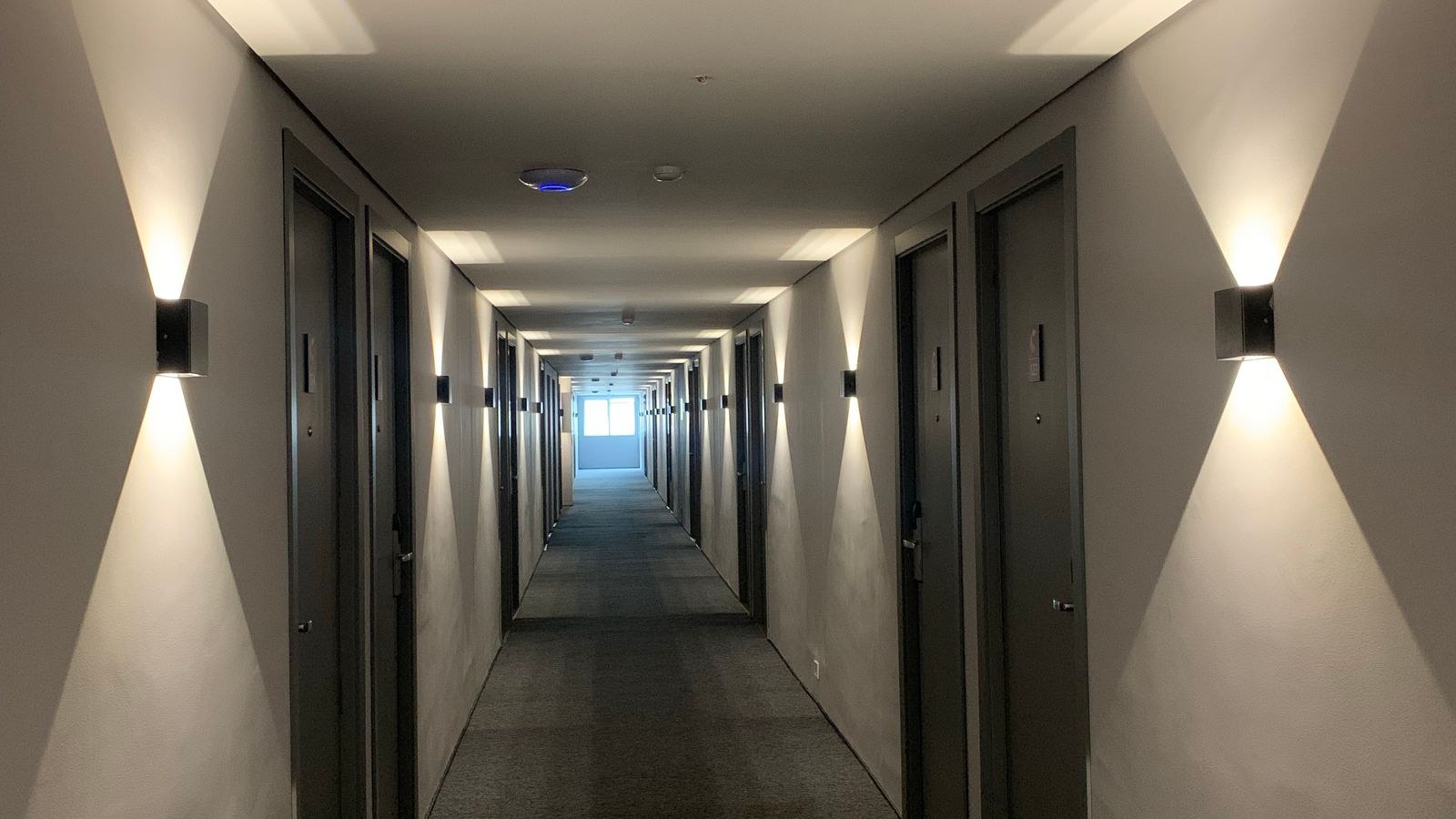
One building, one badge, three pay structures. Moving between departments inside a hotel can change your earnings more than moving to another property.

The expensive things people buy first are not what change a working day. Heights, light, sound and a second surface do, and three of the four are free.

A decline gets overturned because it was too long, not because it was too blunt. Every extra reason you give is one more thing to argue with.

A PIP is a dated record before it is a development tool. The objectives are usually the vaguest part of it, and that is the part you can change.

A second app does not double your offers. It doubles your decisions, and the money is made in the dead time, not while you are carrying someone's order.
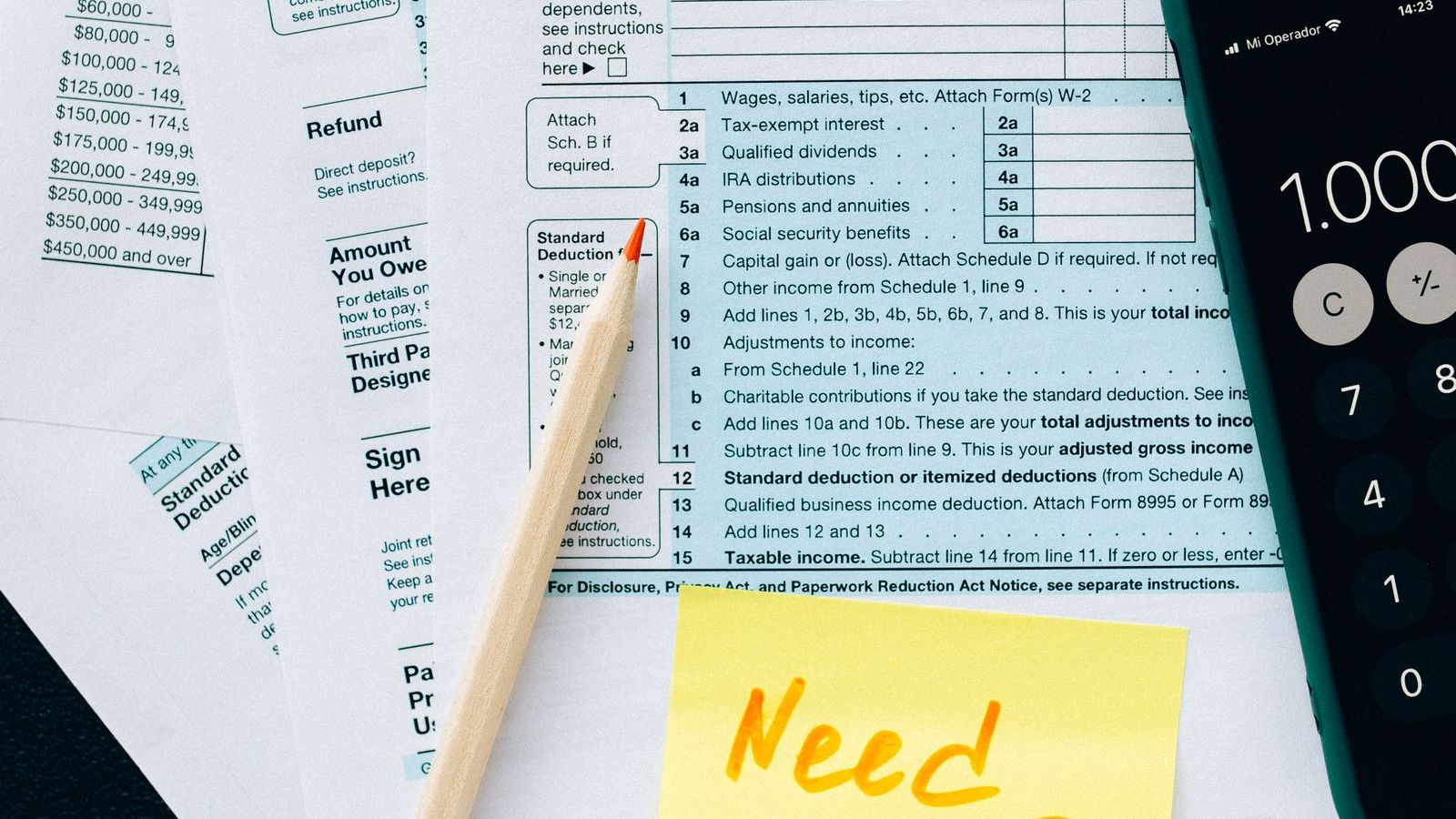
The premium is the only cost you are sure to pay. The deductible and out-of-pocket maximum decide what a bad year actually costs you.

The most consequential line in a time off policy is not how many days you get. It is whether those days exist as a balance you could ever be paid for.

Not cheap versus expensive or fast versus slow. It is whether the hours convert into something a third party accepts, and one question settles it.

The rung that changes your life is not assistant manager. It is key-holder, where the responsibility arrives well before the authority or the title do.
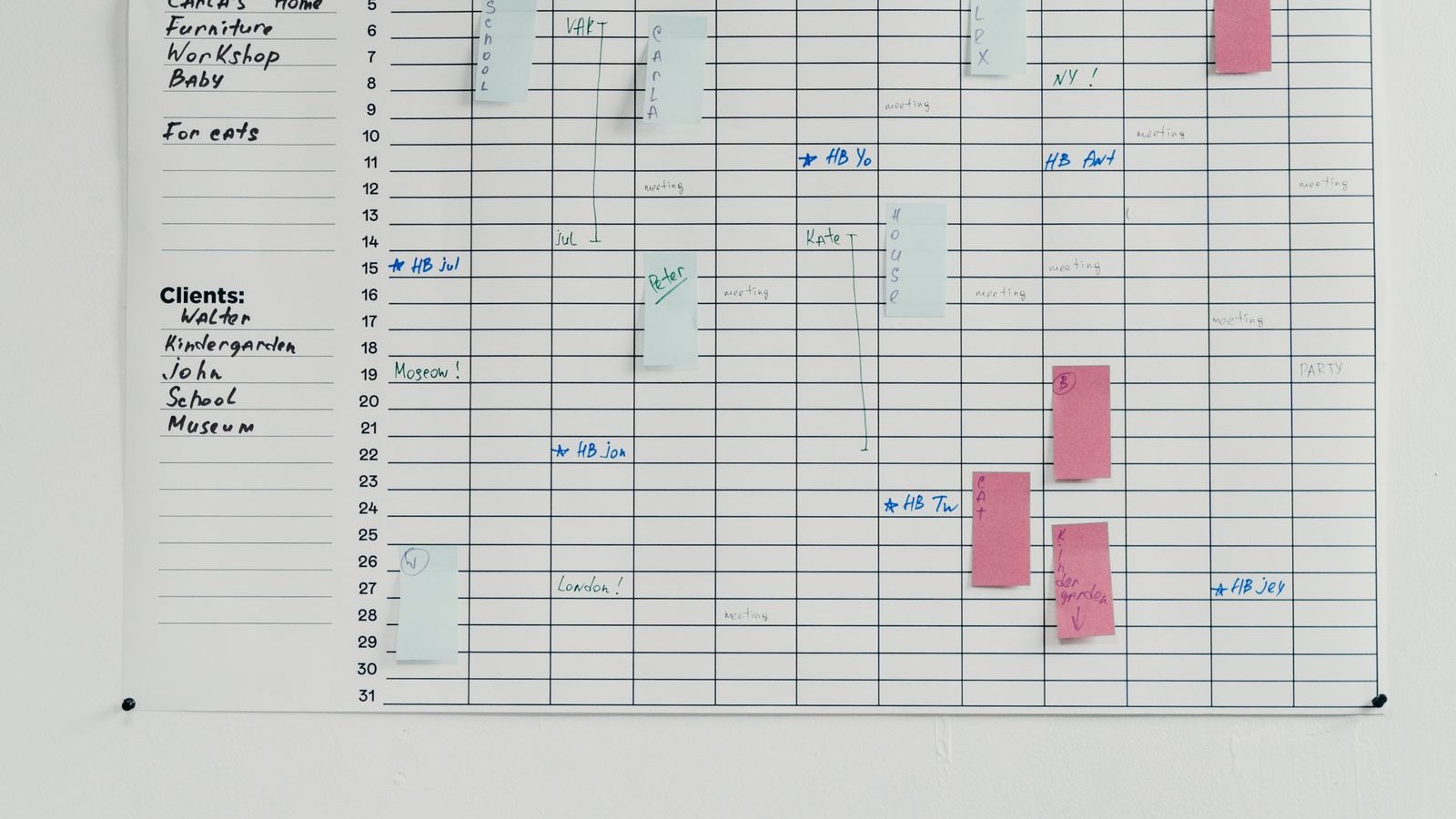
A team's hybrid schedule collapses when the office day stops being worth the drive. That is a coverage problem, and tightening the rule makes it worse.